

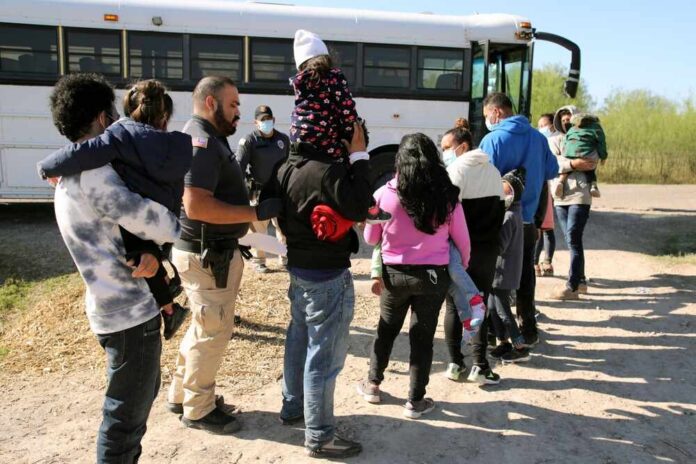
More than 11,000 American citizen kids have watched Washington prove—again—that “enforcement” without restraint can turn into government power aimed straight at the family.
Quick Take
- Federal data analysis found ICE detained parents of over 11,000 U.S.-citizen children in the first seven months of President Trump’s second term, roughly doubling prior-year levels.
- Investigations describe faster arrests and removals that can leave children with little time to arrange care, pushing some into state foster systems.
- ICE detention of children with parents has surged to about 170 per day on average, with reported peaks over 400, and at least 1,000 children held beyond a 20-day limit.
- DHS publicly denies separating families, while state-level records and reporting show U.S.-citizen children entering foster care after parental detention or deportation.
The numbers driving the backlash inside the GOP
Federal immigration enforcement in 2025 accelerated in a way that is now dividing Trump’s own coalition. A ProPublica-based analysis reported that ICE detained parents of more than 11,000 U.S.-citizen children in the first seven months of the second term, roughly doubling prior years. The same reporting described higher deportation rates for detained mothers and removals that can occur within days, leaving families scrambling to protect children and property.
Conservatives who spent years demanding border control are now asking a different question: what is the limiting principle when the federal government uses speed, detention, and leverage against families tied to U.S. citizen kids? That question has sharpened in 2026 as the country also faces war pressures abroad, and many voters who rejected “endless wars” are newly sensitive to any policy that feels like an unaccountable machine operating at home.
Detention of children rises as family facilities reopen
Investigative reporting found the number of children held in ICE detention with parents climbed sharply after 2025, averaging about 170 children per day and peaking above 400. One family facility in Dilley, Texas, was reported reopened and holding around 1,100 detainees, including infants. Lawyers and visitors cited allegations of poor conditions, including inadequate food and water, along with psychological stress for children who are confined for weeks.
Reporting also highlighted a legal constraint: a long-standing court settlement generally limits the detention of children to about 20 days. The Marshall Project’s analysis said at least 1,000 children were held beyond that timeframe. When a government policy depends on stretching limits for administrative convenience, constitutional-minded voters typically demand answers—especially when the affected children are U.S. citizens and the costs are borne by taxpayers.
DHS says “no separations,” but foster-care data tells a messier story
DHS has said ICE “does NOT separate families,” arguing parents are given options—such as leaving the country together or using sponsors for children. But NOTUS reporting, built on state public-record requests, identified U.S.-citizen children entering foster care in multiple states after a parent was detained or deported. The same reporting stressed that the true total is hard to pin down because there is no single federal tracking system tying immigration enforcement to foster-care placements.
This gap matters because it creates a classic accountability problem: Washington can claim one narrative while states quietly absorb the consequences. Even readers who strongly support removing illegal aliens often reject a system where citizen children are effectively treated as collateral damage. If the government cannot clearly document outcomes—who was detained, who was deported, where the children went, and why timelines moved so fast—public oversight becomes almost impossible.
Interior raids and rapid removals: enforcement vs. due process
The current surge is not limited to the border. Reporting described interior operations, including a Minnesota enforcement push that drew attention after children were reportedly caught up in actions connected to schools and family routines. ProPublica’s analysis emphasized that the speed of detention and removal can be the key difference, because parents may be deported before they can secure stable care arrangements, authorize guardianship, or manage basic legal steps for their U.S.-citizen children.
Conservative voters are not obligated to choose between “open borders” and “anything goes.” The Constitution assumes government power must be bounded, transparent, and accountable—even when enforcing valid laws. With national attention split between the Iran war and mounting domestic costs, this story is landing harder: many Americans who backed Trump for strength are now pressing for clarity on limits, humane treatment, and whether enforcement priorities are targeting dangerous offenders or simply the easiest cases to process quickly.
Sources:
More Than 11,000 U.S. Citizen Children Have Had Parents Detained by ICE, Report Finds
Immigrant Detention and Deportation Foster Care Data