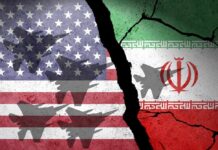

Trump’s promise to avoid new wars is colliding head-on with a rapidly expanding U.S. showdown with Iran—and MAGA voters are now split over how far “America First” should go.
Story Snapshot
- President Trump says global “warnings” about Iran’s nuclear ambitions are meaningless after U.S. strikes and a major escalation since 2025.
- The White House cites Operation Midnight Hammer as having destroyed key Iranian nuclear facilities, alongside ongoing military pressure in early 2026.
- A February 2026 fact sheet outlines new tariff authorities aimed at punishing countries that trade with Iran, widening the conflict into economics.
- Supporters who backed Trump to end “forever wars” are wrestling with the tradeoff between stopping a nuclear Iran and avoiding another open-ended conflict.
Trump’s “Warnings Are Meaningless” Message Meets War-Weariness at Home
President Donald Trump’s second-term posture on Iran has turned blunt: the administration argues that years of international warnings failed, while U.S. action changed realities on the ground. In February 2026, the White House stated Iran will never be allowed to obtain a nuclear weapon and pointed to Operation Midnight Hammer—conducted in 2025—as the decisive blow against Iranian nuclear facilities. That framing is powerful politically, but it lands in a conservative base exhausted by regime-change logic and new deployments.
Trump’s coalition is not reacting like a monolith. Many voters who lived through Iraq and Afghanistan hear “maximum pressure” and worry it becomes “maximum mission creep,” especially when Washington’s next steps are unclear. Others view Iran’s nuclear program and proxy network as a direct threat that must be contained before Americans pay a heavier price later. What is clear from official messaging is that the administration is tying military operations to a broader strategy of coercion, not a quick disengagement.
From Sanctions to Tariffs: The White House Expands Economic Pressure
The February 2026 White House fact sheet describes a new phase of economic warfare: tariff measures targeting nations that acquire Iranian goods or services. That approach aims to choke off revenue streams that could support nuclear development, missile programs, or regional militias aligned with Tehran. It also raises the risk of blowback for U.S. consumers and supply chains if energy markets tighten or global shippers adjust routes. The document signals the administration is willing to punish third parties, not just Iran.
Trump’s earlier argument against the 2015 nuclear deal focused on enforcement and incentives: the administration has long said the agreement delivered major financial benefits without permanently ending Iran’s nuclear ambitions. That critique is consistent with the current justification for escalated pressure—military strikes paired with punitive economics. Conservatives who prioritize limited government still tend to prefer hard leverage over endless nation-building, but tariffs and sanctions can also become a permanent apparatus that expands federal power and entangles U.S. policy with global compliance regimes.
Military Claims, Fog of War, and What Can (and Can’t) Be Verified
In early April 2026 remarks, Trump described major U.S. gains over recent weeks, including strikes on factories and the killing of Iranian leaders and commanders through missiles and drones. He also claimed Iran’s navy is effectively “finished.” Those statements reflect the administration’s public narrative of momentum and deterrence. However, the available research here relies heavily on U.S. government communications and presidential remarks, and it does not include independent, third-party verification of specific battlefield claims or the full operational picture.
This verification gap matters for voters who remember how optimistic briefings often preceded long occupations. A constitutional, limited-government mindset demands clarity: what is the legal basis, what is the defined objective, and what is the exit plan? The research indicates the White House sees its actions as a “sustained response” to threats, but sustained responses can turn into sustained wars if the goal quietly shifts from preventing a nuclear weapon to reordering Iran’s regime or internal politics.
The Political Fault Line: “America First” vs. Open-Ended Middle East Commitments
The MAGA divide is increasingly about priorities, not patriotism. One side argues the U.S. must prevent an openly hostile regime from reaching nuclear capability, especially given Iran’s long record of anti-American slogans and regional aggression described in prior White House messaging. The other side argues that Washington has repeatedly sold conflicts as limited, only to keep Americans paying—through deployments, inflationary energy spikes, and debt-financed “emergency” spending that never goes away.
Trump’s team is now responsible for the outcomes, not just the rhetoric, and that reality is reshaping conservative expectations. If the administration can demonstrate measurable results—clear degradation of nuclear capacity, reduced proxy attacks, and a credible path to de-escalation—it may hold the coalition together. If the mission expands without transparency, the same voters who rejected globalism, overspending, and permanent crisis governance will see Iran as another chapter in the Washington playbook they thought they voted to end.
Sources:
Remarks by President Trump on Iran