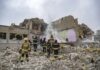


Children clung to a window ledge as flames spread through a Tokyo school, and every student and teacher still made it out alive.
Story Highlights
- About 300 students and teachers were evacuated or rescued, officials said [1][12]
- Firefighters used ladders to bring children and at least one teacher to safety [1][11]
- Authorities reported non-life-threatening injuries; the cause is under investigation [1]
- Fast action and practiced evacuation likely limited harm amid heavy smoke [11]
Children Rescued As Fire Erupts In Tokyo School
Tokyo officials said a fire broke out at an elementary school on Friday, sending thick smoke through halls and classrooms. About 300 students and teachers were evacuated or rescued, and all survived the incident, according to local authorities and multiple news outlets [1][12]. Firefighters rescued one teacher and several children from inside, while many others escaped on their own to a nearby park. Several people suffered non-life-threatening injuries, officials said [1]. The cause remains under investigation [1].
Channel NewsAsia reported children moved onto a window ledge as smoke built up, then firefighters brought them down using ladders [11]. That image is every parent’s fear. Yet the outcome shows what training, drills, and quick command decisions can do when seconds matter. Reports say emergency crews arrived fast and coordinated evacuations while containing the blaze. Early accounts indicate the fire started near an upper-floor music room, which amplified smoke and urgency for rapid rescue [11].
Responder Speed And School Preparedness Limited Harm
Associated Press and other reports point to a rapid, organized response by the Tokyo Fire Department. Firefighters physically carried out several rescues, while staff and students executed a wider evacuation on their own [1]. That mix often saves the day: trained responders handle the hot zone, and a prepared school clears the rest. Many children reached a nearby park and accounted for classmates. This kind of basic readiness—alarms, drills, and headcounts—keeps small fires from turning into mass-casualty events [1].
Japan’s system invests in fire education and coordinated training for responders and the public, which likely helped here. Government materials describe nationwide training standards and support through the Fire and Disaster Management College, which builds consistent skills across departments [4]. When alarms sound, those routines matter. Students who know the exits move quickly. Teachers who know their roles keep order. Firefighters who drill ladder operations can lift children off a ledge without delay. Friday’s outcome reflects that chain working under pressure.
Why This Matters For American Families
Parents in the United States see a simple truth in this story: drills, equipment, and clear authority save lives. Bureaucratic delays, unfunded mandates, and political side agendas do not move children off a burning ledge. Schools that practice evacuations and track headcounts give first responders a fighting chance. Cities that fund training and clear command structures get faster rescues. The basics beat buzzwords. This is the kind of focus our communities expect from public safety budgets and local leadership.
The images from Tokyo also warn against complacency. Smoke moves faster than people think. Hallways that look clear can turn deadly in minutes. That is why straightforward planning is not optional. Every American school should audit alarms, exits, radios, and reunification plans each year. Families should know how alerts will reach them. Local departments should test ladder access and water supply at schools before an emergency. These steps are not costly compared to the lives at stake and the money often burned on fringe programs.
Open Questions And What Comes Next
Officials say the cause is still under review, and full timelines are not public yet [1]. Key questions remain: when the first alarm sounded, how long until the first unit arrived, and how quickly ladders reached the window ledge. Those details will show what worked best and what needs work. Clear after-action reports help parents, teachers, and firefighters learn the right lessons rather than rely on headlines alone. Accurate records also prevent rumor and keep politics from rewriting facts.
A primary school in northern Tokyo was evacuated on Friday (June 19) after a fire broke out in the music room on the fourth floor, according to Japanese media reports.
Eyewitness footage showed children waiting for rescue on a narrow ledge outside a classroom window as thick… pic.twitter.com/vOFn7XcE1E
— The Indian Express (@IndianExpress) June 19, 2026
For now, the main facts hold: hundreds evacuated or were rescued; several people were treated for non-life-threatening injuries; and no lives were lost [1][12]. Firefighters rescued multiple people, including a teacher and schoolchildren, while others self-evacuated to safety [1]. The images are dramatic, but the lesson is practical. Prepared schools and serious responders save lives. That is the standard Americans should demand at home—competence first, politics last, and a relentless focus on protecting our kids.
Sources:
[1] YouTube – Children wait for rescue on window ledge as fire rages at Tokyo school
[4] Web – Fire breaks out at Tokyo elementary school, injuring at least one
[11] Web – Fire at Tokyo primary school sends hundreds of students … – AP News
[12] Web – Fire breaks out at Tokyo primary school, injuring at least one – CNA