

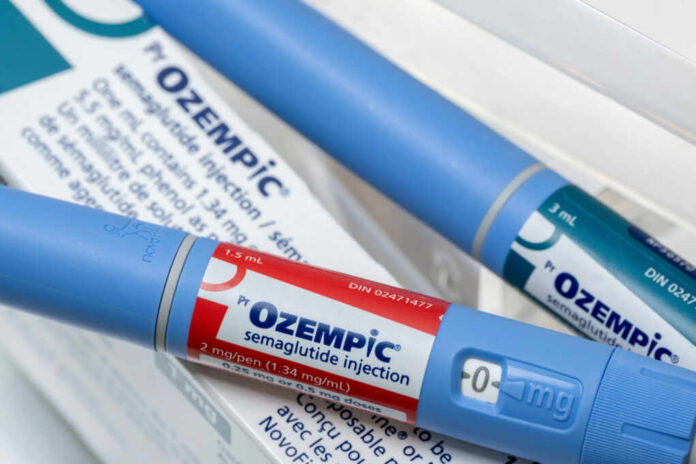
A blockbuster weight-loss drug is now being compared to Dr. Jekyll’s infamous potion—and the warning is less about calories than about what happens when medicine starts “editing” human desire.
Story Snapshot
- Commentators at Brownstone Institute and ZeroHedge argue that Ozempic-style GLP-1 drugs echo the moral lesson of Dr. Jekyll and Mr. Hyde: chemical shortcuts can produce unintended personal and social consequences.
- The core claim is that GLP-1s don’t just curb appetite; they may dampen broader cravings—food, alcohol, sex, and pleasure—raising questions about long-term psychological and cultural effects.
- Manufacturers and prescribers emphasize symptom control for obesity and diabetes, while critics say root causes like depression and disordered living remain untreated.
- The evidence base in the provided research is largely opinion-driven and literary, not built on new clinical findings about “personality splitting” effects.
Why a 19th-Century Horror Story Keeps Getting Pulled Into the Ozempic Debate
Writers revisiting Robert Louis Stevenson’s 1886 novella Strange Case of Dr. Jekyll and Mr. Hyde frame it as a cautionary tale for today’s pharmaceutical moment. In the story, Dr. Jekyll uses a homemade chemical mixture—described with ingredients like phosphorus, salt, and “some volatile ether”—to separate his respectable self from darker impulses. The experiment spirals into loss of control, moral decay, and ruin.
That storyline has become a template for critics who worry that modern “behavior-shaping” medicines can outpace our understanding of the mind and the will. In their telling, the lesson isn’t that science is evil, but that human nature is not a simple machine. When medicine tries to isolate a “bad” drive without addressing the person as a whole, the result can be instability rather than freedom.
What GLP-1 Drugs Are Said to Change—and Why That Raises Red Flags
Across the research provided, GLP-1 agonists such as Ozempic (semaglutide), Wegovy, Mounjaro (tirzepatide), and Zepbound are described as doing more than helping patients eat less. The articles claim these drugs can reduce cravings tied to the brain’s reward system, reaching beyond food to other desires. That broad “craving suppression” is presented as the point of concern, not merely an interesting side effect.
Critics argue that if a medication reduces a wide range of appetites, it can also flatten the experiences that make life feel meaningful. They frame this as a cultural issue as much as a medical one: a society already struggling with loneliness, anxiety, and disconnection may not be well served by treatments that chemically mute the highs and lows without resolving why people seek comfort in consumption in the first place.
Follow the Incentives: Big Demand, Big Profits, and a Debate About Human Agency
The stakeholders in the research are straightforward. Drugmakers such as Novo Nordisk and Eli Lilly sit at the center of a booming market as these medications expand from diabetes treatment into mass weight-loss use. Doctors prescribe them, regulators oversee approvals, and patients—often desperate for results—become long-term users. Critics, meanwhile, position themselves as sounding an alarm about the direction of modern medicine.
From a conservative lens, the key policy tension is familiar: individual choice versus system-level pressure. People should be free to pursue legitimate medical help, but a profit-rich ecosystem can encourage “pill-first” solutions that treat symptoms while avoiding hard conversations about lifestyle, mental health, and community breakdown. The provided sources don’t document new regulatory failures; they mainly highlight how quickly a medical tool can become a social default.
How Strong Is the “Jekyll and Hyde” Case? What the Research Can—and Can’t—Prove
The argument presented is powerful as metaphor and weak as direct evidence. The Brownstone Institute and ZeroHedge pieces rely on literary parallels and cultural critique, and the research summary itself notes that the available material does not cite peer-reviewed clinical studies proving a “Hyde-like” transformation from GLP-1 use. A Substack item is referenced as reinforcing the concern that addiction’s root causes remain untreated, but it is not presented as definitive research.
That limitation matters for readers trying to separate legitimate caution from moral panic. The most defensible takeaway, based on what’s provided, is not that GLP-1 drugs create monsters. It’s that a medicine widely reported to blunt cravings invites a serious, grown-up question: what is the end goal—weight loss alone, or healthier lives that still include joy, self-government, and durable habits that don’t depend on permanent chemical management?
For voters already skeptical of elite institutions, this debate also fits a broader pattern. When major decisions about bodies, behavior, and public health are steered by credentialed experts and corporate incentives, many Americans—right and left—suspect the system is serving itself. The Ozempic conversation, at minimum, shows how fast a “medical solution” can turn into a philosophical fight about who we are, and whether modern governance and markets are shaping citizens into something less free.
Sources:
What Would Robert Louis Stevenson Say About Ozempic?
What Would Robert Louis Stevenson Say About Ozempic