

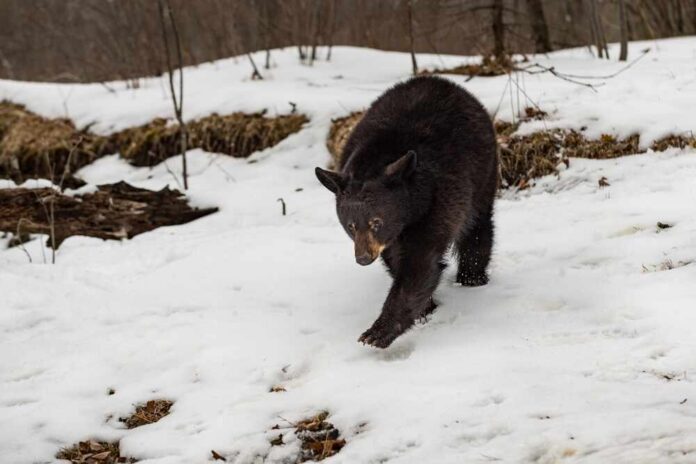
Black Bear Trio Races Beneath Chairlifts
A mother black bear and her two cubs turned a routine powder day at Northstar California Resort into an unforgettable wildlife spectacle, racing beneath dangling chairlifts as stunned skiers watched from above, proving that winter in the Sierra Nevada belongs to more than just snow enthusiasts.
Story Snapshot
- Three black bears sprinted across Northstar California Resort ski runs on February 18, 2026, weaving through trees as chairlift riders filmed from above
- The bear family caused no injuries or operational disruptions before disappearing into the forest
- Mild winter weather disrupted typical bear torpor patterns, prompting increased activity during peak ski season
- Similar bear sightings at Lake Tahoe ski resorts signal ongoing wildlife-recreation conflicts in shared mountain habitat
When Nature Crashes the Powder Party
February 18 started as an ordinary Wednesday at Northstar California Resort until a furry family decided the ski slopes made a perfect highway. Eyewitness Alyssa Schwartz captured video of a sow and her two cubs darting across snowy terrain beneath the chairlift, their dark forms contrasting sharply against pristine white powder. Skiers dangling overhead erupted in surprised exclamations as the bears navigated through tree islands and open runs with remarkable speed. The trio never glanced upward at their audience, focused entirely on reaching the safety of dense forest. Within minutes, they vanished into the timber, leaving behind only tracks and a viral video that would spread across social media by the next morning.
https://www.instagram.com/reel/DU8_bPckdtO/
Breaking the Hibernation Myth
The February sighting challenges common assumptions about bear behavior during ski season. Black bears in the Sierra Nevada enter winter torpor, a lighter form of hibernation allowing periodic activity when conditions permit. Recent mild weather across the Lake Tahoe Basin disrupted normal dormancy patterns, pulling bears from their dens earlier than expected. Unlike true hibernators, black bears can rouse quickly when temperatures rise or food opportunities arise. Wildlife experts note this adaptive behavior has become more common as climate variability increases. The Northstar bears were likely transiting between den sites or searching for accessible food sources, demonstrating that ski season and bear season overlap more than resort visitors typically realize.
Tahoe’s Growing Bear-Ski Collision Course
Northstar California Resort sits squarely in prime black bear territory within the Lake Tahoe Basin, where wildlife populations thrive year-round despite intensive human recreation. The February incident echoes a similar sighting at nearby Heavenly Resort in January 2025, where another bear trio appeared on chairlift cameras. These encounters underscore the reality that ski resorts operate within bear habitat, not the reverse. Lake Tahoe supports one of North America’s densest black bear populations, with animals ranging freely across public and private lands regardless of property lines or lift tickets. As resort development expands and bear numbers remain robust, such intersections will likely increase. The challenge facing resort management involves balancing operational safety with respect for the wildlife that called these mountains home long before the first chairlift pole pierced the soil.
The Anatomy of a Peaceful Encounter
Resort officials confirmed no injuries or operational disruptions resulted from the bear crossing, crediting the natural separation between chairlifts and ground terrain. The bears never approached skiers on the slopes, maintaining their rapid pace toward forest cover. This outcome reflects typical black bear behavior when not habituated to human food sources. Wildlife experts emphasize that bears generally avoid human contact when given escape routes and space. The Northstar incident succeeded precisely because humans remained elevated and uninvolved while the bears focused on their objective. Schwartz’s video captures the ideal wildlife encounter: observation without interaction, appreciation without interference. Resort management issued standard safety reminders about maintaining distance and securing trash but required no operational changes or closures. The bears’ quick departure into wilderness prevented the habituation risks that arise when animals linger near human activity or receive food rewards.
What Skiers Need to Know About Sharing Slopes
The viral moment offers critical lessons for Lake Tahoe recreationists who may assume winter snow eliminates bear concerns. Wildlife officials stress that bears remain active throughout the region regardless of season, particularly during temperature fluctuations that interrupt torpor. Skiers should treat bear sightings with calm awareness rather than panic or attempts at close-up photography. Maintaining distance protects both species, as stressed bears may react defensively while habituated bears lose natural wariness that keeps them safe. Resort visitors must secure all food in vehicles and lodging, as accessible garbage or snacks train bears to associate humans with meals. The Northstar family behaved appropriately because they likely have not learned to scavenge human sources. Preserving that wildness requires consistent prevention rather than reaction after conflicts develop. Education campaigns emphasize simple protocols keeping encounters brief and non-threatening, allowing bears and humans to coexist across shared mountain landscapes without incident or injury.
Sources:
Bears Crash Powder Day at California Ski Resort
Three bears dash under Northstar chairlift as riders watch from above
Bear Trio Spotted Running Across Tahoe Ski Hill
Family of bears charge across ski slopes at North Lake Tahoe Resort