
A massive, unregulated $3 trillion lending market is trapping everyday Americans’ retirement savings while Wall Street giants scramble to block panicked investors from withdrawing their money—and it’s unfolding right now with eerie echoes of the 2008 financial crisis.
Story Snapshot
- Private credit firms like Blue Owl, BlackRock, and Blackstone are restricting investor withdrawals as panic spreads, wiping out $265 billion in market value since September 2025.
- Middle-class Americans invested through 401(k)s and mutual funds are now trapped, unable to access their retirement money as firms gate redemptions citing liquidity concerns.
- The unregulated sector grew fivefold to $3 trillion since 2008 by making risky loans banks refused, with firms promising quarterly liquidity on 5-7 year loans—a dangerous mismatch now exploding.
- JPMorgan and other banks are pulling back lending to these firms, warning of more failures lurking as bankruptcies mount in software and auto lending sectors heavily financed by private credit.
Wall Street’s Shadow Banking Scheme Hits Main Street Families
Private credit operates as shadow banking where private equity giants like Blackstone, KKR, Apollo, and Blue Owl lend to risky businesses traditional banks won’t touch. These non-bank lenders promised ordinary Americans access to high yields—Blackstone’s BCRED fund advertised 9.8% annual returns—by funneling retirement savings into software companies, subprime auto lenders, and struggling manufacturers. The firms marketed quarterly liquidity to retail investors while making 5-7 year loans, creating a structural time bomb. When Blue Owl sold $1.4 billion in assets in February 2026 to reassure nervous investors, it backfired spectacularly. Redemption demands surged across the industry as investors realized they’d been sold illiquid investments disguised as accessible retirement vehicles.
Retirement Accounts Frozen as Firms Block Withdrawals
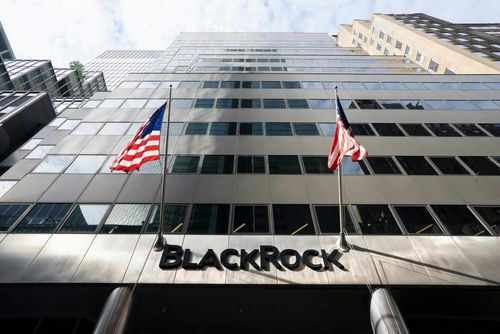
BlackRock now limits withdrawals on its $26 billion HPS Lending Fund after investors requested $1.2 billion back. Morgan Stanley capped redemptions at 5 percent, returning just $169 million of the $323 million requested from its North Haven fund. Cliffwater faces 7 percent withdrawal demands on its $33 billion fund. Blue Owl restricted withdrawals in November 2025, bought back 15 percent of shares in one fund, and halted quarterly liquidity entirely in another. This mirrors classic bank runs, except there’s no FDIC insurance protecting these investors. Firefighters and middle-class families who trusted Wall Street’s “democratization” pitch now watch helplessly as their savings vanish behind locked gates while institutional investors who understand illiquidity remain calm.
Unregulated Growth Creates Systemic Risk Without Oversight
The sector exploded from negligible size to $3 trillion after 2008 financial regulations pushed risky lending out of regulated banks into this unregulated wilderness. Federal Reserve data shows fivefold growth since the crisis, fueled by ultra-low interest rates that let private equity overpay for buyouts using cheap debt. Firms promised extraordinary returns by financing businesses banks deemed too dangerous—subprime auto lender Tricolor and car parts maker First Brands both declared bankruptcy in September 2025, triggering the current selloff. Unlike banks facing reserve requirements and stress tests, private credit operates in opacity without regulatory guardrails. JPMorgan CEO Jamie Dimon warned of more “cockroaches” emerging, referring to hidden failures, as his bank restricts lending to these firms.
AI Disruption Amplifies Software Lending Catastrophe
Harvard Law Professor Jared Ellias identified private credit’s massive exposure to software companies now threatened by artificial intelligence disruption as a crisis accelerant. The sector heavily financed mid-tier software firms that AI tools may render obsolete, creating concentrated default risk. Former Fidelity manager George Noble warned “we’re watching a financial crisis unfold in real time,” comparing current redemption freezes to BNP Paribas halting securitized debt redemptions in August 2007—six months before Bear Stearns collapsed and triggered the 2008 meltdown. Economist Mohamed El-Erian echoed this parallel, noting identical patterns of opaque debt markets seizing up before broader contagion. Stock prices reflect investor terror: Blue Owl plunged 66 percent from peak, Apollo down 41 percent, Blackstone 46 percent, with Ares and KKR falling 48 percent.
Government Action Needed to Protect Americans From Wall Street Greed
President Trump’s administration must immediately demand transparency and regulatory oversight for this $3 trillion unregulated sector threatening millions of retirement accounts. The 2008 crisis taught us what happens when Washington lets Wall Street financiers operate without accountability—ordinary Americans lose everything while executives walk away wealthy. These firms marketed complex, illiquid investments to firefighters and middle-class families who trusted promises of safe, accessible returns for their golden years. Now those same firms trap investors behind redemption gates while claiming everything’s fine. Matt Swain of Houlihan Lokey correctly identified this as resembling a bank run, yet unlike banks, these institutions face zero regulatory scrutiny. This represents exactly the kind of financial system overreach and elite manipulation conservatives warned about—unelected Wall Street titans gambling with working families’ futures.
Sources:
It’s called ‘private credit’ — and it could lead to big trouble on Wall Street
Private credit financial crisis: BlackRock, Blue Owl debt software
Wall Street private credit BlackRock
Why concerns are growing over the private credit market