
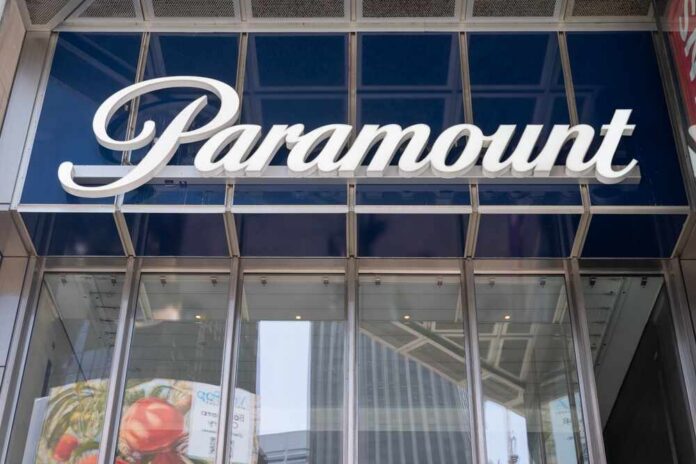
John Oliver’s profane meltdown over a pending Paramount takeover shows how quickly America’s media giants can change hands—and how little control viewers and creators have when corporate consolidation accelerates.
Story Snapshot
- Paramount Skydance has agreed to buy all Warner Bros. Discovery shares for $31 per share in cash, with the deal targeted to close in Q3 2026 pending approvals.
- On HBO’s March 1, 2026 episode of Last Week Tonight, John Oliver mocked the prospect of Paramount owning his network, joking about being “in Paramount” and wanting out.
- Netflix declined to match Paramount’s bid on Feb. 26, 2026, clearing the path for Paramount to move forward.
- Regulatory and shareholder approvals still stand between the announcement and completion, a key factor for anyone worried about media concentration.
Oliver’s On-Air Reaction Puts the Takeover on Prime-Time Display
John Oliver used the opening of his March 1, 2026 broadcast on HBO to ridicule Paramount’s expected acquisition of Warner Bros. Discovery, the parent company that owns HBO. Oliver framed Paramount as a new “business daddy” and delivered a string of jokes implying he felt trapped under a new corporate owner. The commentary also reflected talent anxiety: Oliver openly wondered whether a takeover could lead to quick cancellations or tighter control over programming.
Oliver’s mockery did not come out of nowhere. The research shows he has taken multiple on-air shots at the idea since at least September 2025, when early rumors swirled about Paramount’s interest in WBD. He returned to the topic again in October 2025 while appearing in a segment connected to CBS News coverage, calling the situation “isn’t ideal” and hinting the bid could force “hard conversations.” His approach is comedic, but the timeline indicates consistent discomfort.
What the Paramount–WBD Deal Actually Is—And Why It Matters
The reported terms are straightforward: Paramount agreed in late February 2026 to acquire all WBD shares for $31 per share in cash, with closing expectations in Q3 2026 if approvals are secured. The deal would place major properties—HBO, CNN, and Warner Bros. studios—under Paramount’s umbrella at a time when legacy media is chasing scale to compete in streaming. Netflix’s Feb. 26 decision not to match the bid effectively removed the most obvious rival offer.
Because WBD includes both prestige brands and mass-market cable assets, the acquisition has implications beyond Hollywood gossip. Fewer major players can mean fewer independent decision centers, especially as streaming platforms and linear networks get bundled together. The research points to a broader 2026 consolidation wave driven by financial pressure and the “streaming wars.” What remains unclear from the provided sources is how regulators will weigh market concentration across TV, film, streaming, and news operations.
David Ellison’s Role and the Political Angle in the Coverage
Paramount’s post-2025 structure matters here: Skydance Media’s David Ellison is positioned as a key leader after the Skydance–Paramount combination, and his leadership is part of why the story has taken on a political edge in some coverage. One outlet describes Ellison with a “MAGA billionaire” label, while other reporting focuses more narrowly on business strategy and content direction. The research also notes recent CBS News hires mentioned in commentary, signaling how ownership can shape editorial choices.
What to Watch Next: Approvals, Brand Changes, and Creative Independence
The near-term story is approvals. The deal is expected to close in Q3 2026, but only after shareholder and regulatory review. The longer-term questions, based on the reporting, center on how Paramount might integrate HBO with Paramount+ and what that could mean for brand identity and programming decisions. Oliver’s on-air worry—delivered as a joke—captures a real issue: when ownership changes, creative independence can change with it, and audiences feel the effects.
For viewers tired of top-down cultural messaging and corporate gatekeeping, the key takeaway is not Oliver’s language—it’s the system that made the moment possible. A handful of conglomerates can buy, sell, and merge iconic American media brands with little public input beyond ratings and subscriptions. The sources provided do not include final regulatory outcomes or detailed remedy proposals, so readers should treat Q3 timing as a target, not a guarantee, until approvals are complete.
Sources:
John Oliver Reacts to Paramount HBO Takeover on Last Week Tonight
John Oliver Swipes at Paramount’s WBD Takeover Deal: ‘How the F*ck Do I Get Out of This?’
John Oliver Reacts to New ‘MAGA Billionaire’ Boss