
Florida just became the first large state to block food stamp dollars from buying soda, energy drinks, candy, and ultra-processed desserts — with the federal government’s sign-off.
Story Highlights
- United States Department of Agriculture (USDA) approved Florida’s two-year SNAP restriction pilot.
- Florida’s rule took effect April 20, 2026, targeting soda, energy drinks, candy, and prepared desserts.
- State materials and retailer guidance spell out the new definitions and checkout rules.
- Critics say restrictions may not improve health and could burden low-income shoppers.
What Changed And When It Started
United States Department of Agriculture officials approved Florida’s request to test limits on what SNAP can buy. The approval allows Florida to exclude soda, energy drinks, candy, and ultra-processed prepared desserts from SNAP for two years. The state launched the change on April 20, 2026, after posting clear recipient and retailer notices. Florida’s public-facing Healthy SNAP pages list the same items as off-limits at checkout, matching the federal approval language and the state’s rollout timeline.
Florida’s Healthy SNAP website and flyers tell families exactly what no longer qualifies. They state the start date and list the restricted categories in plain terms. Retailer guidance mirrors the list and confirms the effective date. Local coverage repeated the same start date and categories so shoppers could prepare. Together, these materials show a coordinated launch that aimed to steer taxpayer help toward basic foods and away from sugar and ultra-processed sweets at the register.
How The Policy Works At Checkout
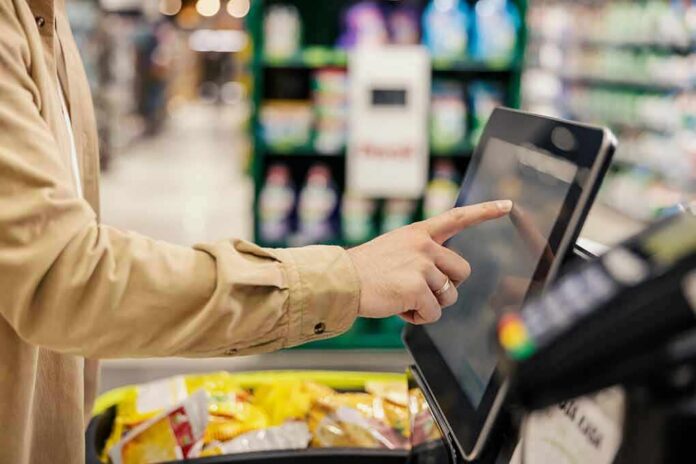
The state’s definition targets four product groups that drive added sugar or stimulants. Soda includes regular and diet soft drinks. Energy drinks are covered based on high caffeine content. Candy covers chocolate bars and non-chocolate sweets. Ultra-processed prepared desserts include packaged cakes, cookies, donuts, and similar shelf-stable items. The change does not touch fruits, vegetables, meat, eggs, dairy, or staple grains. Stores were told to flag the restricted items so SNAP cards will not pay for them.
The federal approval frames Florida’s project as a demonstration, not a permanent rewrite of SNAP. The waiver window runs for two years, giving time to study results and fix problems. Other states have won similar pilots, but Florida’s scale makes it a key test. The plan’s goal is simple: reduce taxpayer-funded junk food and focus benefits on everyday groceries. Backers argue this respects workers who fund the program and helps families buy real food first.
Supporters’ Case: Focus Benefits On Real Food
Supporters say taxpayers should not fund candy aisles and caffeine bombs. They point to research showing that bans on sugar-sweetened drinks can lower those purchases. Public health reviews have found consistent drops in sugary drink buying when rules change. Florida’s team believes the same logic applies to candy and packaged desserts. The waiver gives the state a legal path to test it and measure outcomes, with the federal partner’s written approval on record.
Backers also stress that choice still exists. Families can still buy the restricted items with cash if they want them. SNAP remains for staples like produce, proteins, milk, and bread. By trimming obvious junk, the state says more of the monthly benefit can cover balanced meals. That could stretch budgets, cut sugar highs and crashes, and support better habits for kids. The state’s clear lists and store guidance aim to reduce confusion at the point of sale.
Critics’ Warnings: Burdens And Limited Health Gains
Opponents argue the rule may not deliver broad health gains and could add stigma. A University of Michigan summary says trials show soda purchases may fall, but overall diets often do not change much. It warns of unintended harms when rules get complex. An American Journal of Public Health article likewise questions whether purchase rules will improve diet quality, and flags stress that could hit low-income families harder.
Advocacy groups add that item lists can confuse shoppers and cashiers. They warn of checkout disputes and lost time for busy families. Some say the policy narrows choice and treats SNAP users differently in the same aisle. They fear more paperwork for stores and the state, plus bad experiences that could push families away from help they qualify for. These critics want more benefit dollars and nutrition education instead of new bans at the register.
What To Watch Next In Florida
State and federal officials plan to measure how the pilot affects buying patterns, error rates, and store operations. Results will shape whether the waiver is renewed, revised, or ended after two years. Florida’s size makes its data important for national debates. If the rules cut sugar buys without chaos at checkout, more states could follow. If problems mount, the state may adjust definitions or training to keep the focus on easy, fair, and fraud-resistant enforcement.
Sources:
pjmedia.com, fna.usda.gov, wusf.org, healthysnap.myflfamilies.com, news-journalonline.com