
Food makers are selling less in packages that look bigger, while families pay more for every bite.
Story Snapshot
- Consumer advocates warn of “trickflation”: less food, higher prices, bigger-looking boxes.
- Federal rules require clear net weight labels, but look-alike packages can still mislead.
- The Federal Trade Commission (FTC) flags shrinking packages as a risk for deception.
- A new bill would ban reduced contents in the same packaging without a clear warning.
What “Trickflation” Is Doing to Your Grocery Cart
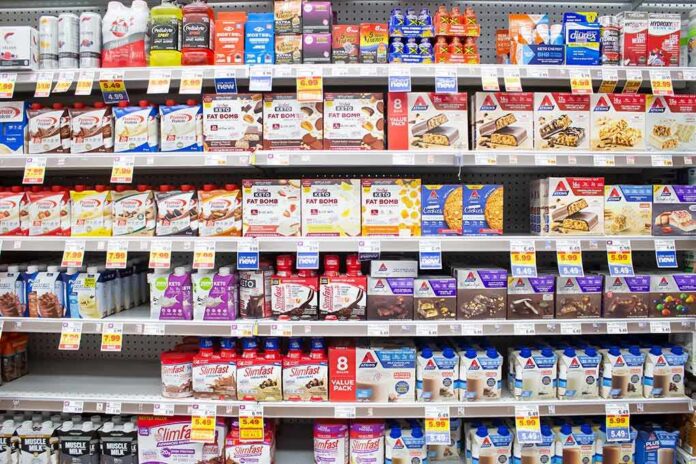
Consumer analysts say brands are shrinking contents while keeping prices the same, or even higher, and dressing up boxes to look as large as before. Shoppers see a familiar cereal box or snack bag and assume the amount has not changed. The unit price tells a different story. Analysts call this “sneakflation” or “trickflation,” and they warn it is spreading as companies pass along higher costs in ways that are harder to spot at the shelf.
Federal law requires open and honest labels. The Fair Packaging and Labeling Act says packages must disclose net contents and lets regulators act to prevent deception. That helps, but it is not a cure-all. A big box with a smaller fill can still fool a quick glance. The Federal Trade Commission’s own advice urges shoppers to check net weight and serving size because package appearance can hide a cut in quantity.
Why This Hits Fixed Budgets the Hardest
Households on tight budgets plan by the ounce, not by marketing. When a package loses a few ounces, families run out sooner and buy more trips to the store. That adds up across bread, snacks, coffee, and cleaning goods. Research reviews describe downsizing as a strategy to pass costs through while keeping the sticker price steady, which avoids instant “sticker shock” but raises the real price per ounce that families pay over time.
Marketing studies find people judge size cuts as less fair than straight price hikes. Most shoppers focus on the shelf price, not unit price. So companies have a built-in reason to chip away at size instead of lifting the number on the tag. That mismatch fuels anger because people feel tricked when the old box holds less, even if the fine print on the label is accurate and legal.
Where the Law Stands Today—and What Could Change
Lawmakers have noticed the gap between a legal label and a misleading look. A proposal would make it unlawful to keep identical or very similar packaging after a size cut unless the front clearly warns about the smaller quantity. It would give the Federal Trade Commission power to enforce the rule. The goal is simple: stop companies from using the same box to hide a downsized product and force a clear, honest notice to buyers.
Industry voices answer that smaller sizes can be a normal response to higher costs. They point to reasons like protecting fragile items, allowing for settling during shipping, or limits of packing machines. Those claims may be true in some cases. But they do not excuse look-alike packages that cause confusion. When the shape, color, and dimensions stay the same, many shoppers will not recheck ounces on a fast trip. That is where clear, front-facing warnings can help.
What Shoppers Can Do Right Now
Shoppers can fight back with three quick habits. First, check the net weight on the lower front or back of the package, and compare it to the brand you bought last month. Second, read the serving count on the nutrition label, which often reveals a hidden drop in quantity. Third, look at the unit price on the shelf tag to compare true costs across brands and sizes. These steps expose trickflation even when the package looks bigger or fancier.
For conservatives who value fair dealing and free markets, transparency is the line. Honest labels and clear warnings protect families and let the best products win. Deception through design is not competition; it is a shell game. President Trump’s administration can back shoppers by enforcing existing labeling laws and supporting rules that require clear, front-of-pack size-change notices. That keeps markets open, prices honest, and families in control of their hard-earned dollars.
Sources:
washingtontimes.com, consumer.ftc.gov, fachpack.de, ftc.gov