
Two years after the near-fatal shots at President Trump’s Pennsylvania rally, glaring security failures and unresolved mysteries continue to erode trust in federal agencies, fueling justified skepticism among patriots who demand real accountability.
Story Highlights
- Thomas Matthew Crooks exploited Secret Service lapses to fire eight shots on July 13, 2024, grazing President Trump’s ear and killing an innocent rally attendee.
- FBI concluded in November 2025 that Crooks acted alone with no clear motive, despite encrypted foreign accounts and public polls showing over 50% of Americans doubt the lone gunman narrative.
- Secret Service Director Kimberly Cheatle resigned amid bipartisan outrage over preventable rooftop access failures.
- President Trump appointed trusted protector Sean M. Curran as Secret Service Director in January 2025 to restore competence and protect conservative leaders.
- Persistent questions about Crooks’s rifle transport and rapid cremation highlight deep state opacity, echoing JFK-era cover-ups that undermine constitutional transparency.
Security Breakdown at Butler Rally
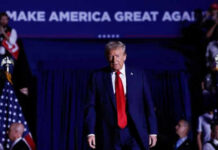
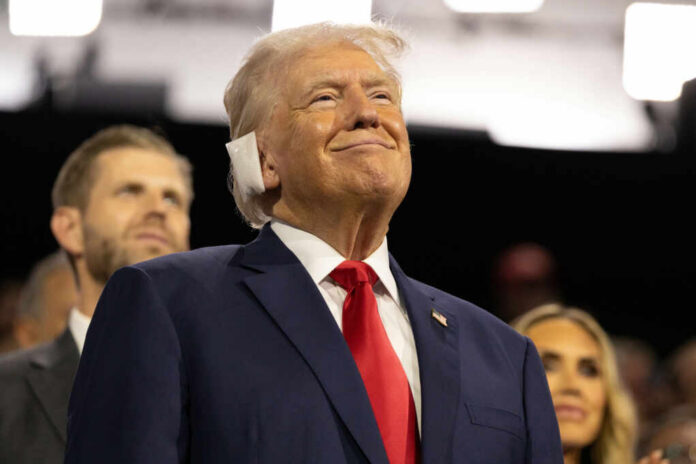
On July 13, 2024, 20-year-old Thomas Matthew Crooks climbed the rooftop of AGR International warehouse near Butler, Pennsylvania, during President Trump’s open-air campaign rally. Around 6:11 p.m., Crooks fired eight shots from a legally acquired AR-15, with the first grazing Trump’s ear. Attendees shouted warnings as one spectator died and two suffered critical injuries. A Secret Service sniper neutralized Crooks seconds later. Local officers had spotted Crooks earlier, yet federal lapses allowed his vantage point, exposing vulnerabilities in protecting Second Amendment-supporting leaders.
FBI and Secret Service Face Accountability
FBI Director Christopher Wray initially questioned on July 24 whether a bullet or shrapnel struck Trump, later confirming a bullet via trajectory analysis. Secret Service Director Kimberly Cheatle testified July 22 before resigning July 23 under bipartisan pressure. Interim House task force reports in October 2024 noted Crooks’s encrypted foreign accounts. Congress cited staffing shortages and asset gaps in final findings. These failures demand reforms to safeguard conservative figures from government incompetence rooted in prior administrations’ neglect.
By November 2025, the FBI closed the case declaring Crooks a lone actor without motive, despite public polls indicating over half of Americans believe accomplices existed. President Trump appointed Sean M. Curran, his proven protector, as Secret Service Director in January 2025. A second attempt in Florida two months later amplified suspicions. Experts highlight remaining mysteries like Crooks’s rifle transport, fueling distrust in federal narratives that prioritize cover-ups over truth.
Conspiracy Theories Reflect Deep Distrust
The assassination attempt unleashed bilateral conspiracy theories, with 41% hearing right-wing claims and 53% left-wing versions; 12-17% across ideologies deemed staging plausible. Right-leaning views allege Democrat or deep state orchestration, while left claims GOP sympathy plays. Northeastern’s David Lazer notes conspiracies filled an information vacuum from agency delays. Brookings analysts link misinformation to polarization. Historical JFK parallels prime public skepticism of official stories, eroding faith in institutions that failed basic protection duties.
Former agents like Richard Staropoli point to suspicious gaps, including Crooks’s quick cremation and minimal online footprint. A PNAS study warns of heightened partisan violence risks, though no immediate spike occurred. President Trump’s survival boosted his 2024 narrative, rallying supporters against weaponized government. In 2026, with Trump securing America First victories over globalism and open borders, these lapses underscore the need to dismantle deep state barriers to accountability and constitutional protections for patriots.
Sources:
Conspiracy theories research Trump assassination
Why is assassination misinformation so popular?
PNAS Study on partisan violence fears