
Defense lawyers for the man accused of assassinating Charlie Kirk want the death penalty tossed by claiming the shooting put no one else at risk — even in a packed crowd.
Story Snapshot
- Defense asks a Utah judge to strike the only aggravating factor that allows a death sentence.
- State alleges the accused “knowingly created a great risk of death” to others beyond Kirk.
- The judge kept prosecutors on the case and left death eligibility in play despite misconduct issues.
- The fight now centers on what Utah law requires to prove capital eligibility at trial.
What Defense Wants the Judge To Do
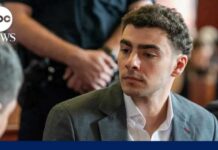
Attorneys for Tyler Robinson filed a motion asking the court to remove the death penalty from the case. They argue prosecutors failed to show the needed aggravating circumstance at the preliminary stage. They say the evidence does not prove a “great risk of death” to anyone besides Charlie Kirk. They frame the shooting as a single, targeted shot at a campus event, not wild gunfire through a crowd.
Defense filings also lean on reporting that prosecutors have focused on one aggravator. If that factor fails, death eligibility collapses. Their brief says the law demands proof that others faced a high probability of death, not a remote chance. They claim the state did not meet that bar with maps, ballistics, or testimony that showed bystanders in the bullet’s danger path at the event.
What Prosecutors Say Keeps Death on the Table
Prosecutors charged aggravated murder and are pursuing capital punishment under Utah law. Their theory is that the accused knowingly created a great risk of death to another person beyond Kirk. That aggravating factor, if proven, permits a death sentence. Coverage of hearings shows the state presented evidence and kept the capital posture alive through the preliminary process, rather than relying only on media talk.
The court also refused defense bids that would have gutted the case. A Utah judge found a prosecutor in civil contempt for public comments, but he did not throw out the death penalty as a remedy. The ruling kept the option in place while the case advances. The judge further declined to remove the prosecutor’s office from the matter, allowing the state to continue under existing assignments.
The Legal Threshold Utah Requires
Utah’s capital scheme narrows who may face death. The law requires at least one qualifying aggravating factor from the aggravated murder statute. Only if a jury later finds that aggravation outweighs mitigation beyond a reasonable doubt may a death sentence be imposed. This structure is meant to limit the penalty to specific, provable circumstances. The current fight is about whether the charged aggravator can even reach a jury.
Prosecutors say Tyler Robinson admitted in writing at least 11 times that he killed Charlie Kirk, including messages allegedly sent to a Discord group and to his roommate.
The claim came in a July 28 filing from the Utah County Attorney’s Office, which is asking a judge to order…— Dee_Lay 🇺🇸 (@DrexelGlen19289) August 13, 2026
Recent court materials and reporting show both sides know the case could turn on that single factor. If the state proves the shot placed others at a high risk of death, death eligibility stands. If not, the harshest penalty falls away before trial. For conservative readers, the core issue is simple: did this attack endanger a large, law-abiding crowd gathered to hear a speaker, or not? The judge’s next decision will set the bounds.
Why This Matters to Public Safety and Free Speech
Thousands gather at civic events to hear leaders speak. A targeted killing in that setting chills speech and threatens community life. Prosecutors argue the law should treat a public, crowd-side shooting as a risk to many, not just one. Defense lawyers want to narrow that view to a single victim. The outcome could shape how states charge political violence at public events and how courts weigh risks to peaceful citizens.
Where the Case Stands Now
Reporting indicates hearings will continue as the court weighs the defense motion. The judge has already rejected sweeping penalties for the prosecutor’s contempt and let the state remain on the case. Death eligibility remains live unless and until the court strikes the aggravator. Expect more filings, and possibly expert work on ballistics and crowd risk, before a final pretrial ruling on the capital path arrives.
Bottom Line for Readers
This is a test of law and common sense. A political leader was shot at a public event. Defense lawyers now say a single aimed shot means no broader danger. Prosecutors say a shot in a crowd creates deadly risk by nature. Utah law requires clear proof for death eligibility. The judge’s decision will signal how strongly our justice system protects citizens who gather to speak, worship, and assemble without fear.
Sources:
thehill.com, reuters.com, supremecourt.gov