
A California man calling himself the “Friendly Federal Assassin” opened fire at the White House Correspondents’ Dinner, targeting President Trump in a brazen act of political violence that exposes the escalating dangers facing his administration.
Story Snapshot
- 31-year-old Cole Thomas Allen from Torrance, CA, accused of attempted assassination at WHCD on April 25, 2026.
- FBI seized laptops, desktop, encrypted hard drive, and phone; forensic analysis underway at Quantico labs.
- Suspect sent family writings minutes before attack, criticizing Trump policies and claiming assassin persona.
- Family fully cooperating; additional charges expected as premeditation evidence mounts.
- President Trump posted suspect’s photo on Truth Social, highlighting direct threat to his leadership.
The Attack Unfolds
Cole Thomas Allen, a 31-year-old from Torrance, California, arrived at the Washington Hilton on April 25, 2026, for the White House Correspondents’ Dinner. He opened fire at a secured checkpoint in an apparent attempt to assassinate President Trump or breach security. Law enforcement quickly detained him. This high-profile event, attended by media and political figures, underscores vulnerabilities despite rigorous protections. The incident recalls the 1981 Reagan attempt nearby, yet marks the first shooting at this journalism gathering.
Digital Forensics Reveal Motive
FBI agents raided Allen’s Southern California home on April 26, seizing a laptop and desktop computer. From his hotel room at the Hilton, they recovered another laptop and an encrypted hard drive. A Samsung phone also fell into investigators’ hands. Quantico labs now process these devices for evidence of premeditation. Social media posts and emails show anti-Trump sentiments. Former FBI expert Thomas McAfee notes Quantico’s proximity speeds analysis, leveraging firearms and tool marks units for rapid results.
Suspect’s Chilling Writings
Minutes before the shooting, Allen emailed his family, dubbing himself the “Friendly Federal Assassin.” The messages railed against Trump administration actions, including U.S. strikes on Pacific drug smuggling boats. He referenced grievances with President Trump and possibly Vice President JD Vance. An anonymous law enforcement official called these writings the clearest evidence of his mindset. This digital trail points to ideological rage against America First policies that conservatives champion for securing borders and national interests.
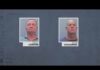
Allen faces initial charges of attempted assassination. Prosecutors anticipate more as forensics uncover networks or accomplices. No casualties occurred, but the breach rattled attendees. The suspect’s family cooperates fully, providing context on his radicalization. President Trump posted Allen’s photo on Truth Social that evening, alerting the public to the threat.
Implications for Security and Unity
The attack fuels concerns over political violence targeting Trump’s second term. Short-term, expect tighter protocols at events like the WHCD, once a symbol of press freedom but now a politicized venue drawing critics. Long-term, it sets precedents for using digital forensics to prove intent in ideological crimes. Both conservatives and liberals share frustration with a federal government that fails to protect leaders while elites prioritize power over people. This incident demands accountability to restore trust in institutions.
Socially, anti-Trump evidence deepens divides, yet highlights shared elite corruption preying on divisions. Politically, it bolsters calls for stronger defenses against radicalism eroding traditional American principles of liberty and order. Investigation costs burden taxpayers, but Quantico’s efficiency offers hope for swift justice. Journalism faces scrutiny over event prestige amid security lapses.
Sources:
Former FBI investigator shares insights into White House Correspondents’ Dinner shooting probe
Media dinner shooting suspect wrote about targeting of officials, Trump claims