
A Republican candidate promised to clear California’s encampments and won applause from Bill Maher’s liberal audience for saying he’ll clean up the streets.
Story Highlights
- Steve Hilton pledged to eliminate mass homelessness in his first year as governor.
- Hilton outlined large recovery centers to move people off sidewalks and into care.
- Hilton drew positive audience reaction on Real Time with Bill Maher during a homelessness exchange.
- Audits show California spent billions with poor tracking and weak results.
Hilton’s Pledge: End Mass Homelessness, Clear Encampments
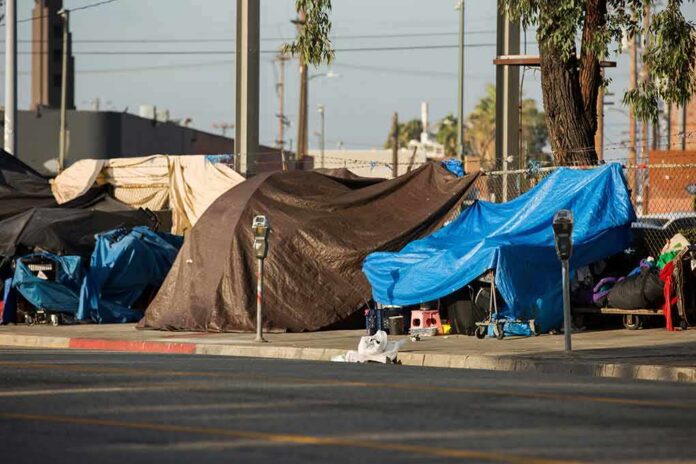
Steve Hilton, the Republican candidate for California governor, says he will eliminate mass homelessness within his first year in office. He ties the promise to a plan to restore public order and reopen sidewalks, parks, and storefronts. He argues California can no longer tolerate open-air drug markets, rampant tent fires, and unsafe encampments near schools. He frames the goal as both moral duty and basic governance, and says his campaign has laid out steps to deliver it.
Hilton also proposes a network approach to move people off the streets. Reports describe his plan for large-scale homeless recovery centers designed to provide shelter, addiction treatment, mental health care, and job training in one place. He says these centers would offer immediate beds, clear rules, and a path back to stability. He adds that encampments would be cleared as beds and services come online to prevent a return to street camping statewide by next year.
On Maher’s Stage: Message Resonates Beyond Party Lines
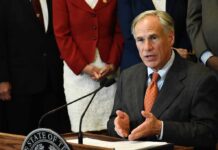
Hilton appeared on HBO’s Real Time with Bill Maher on October 23, 2026, alongside other guests for a panel discussion. The official episode lineup and listings confirm his role on the program. During the discussion, Hilton pressed his case to clean up California’s streets and speed access to treatment and shelter. Audience reactions included applause at points when he emphasized restoring order and connecting people to recovery services, reflecting broad fatigue with the crisis.
The campaign has pitched this plan as common-sense and results-driven. Hilton contrasts his approach with years of high spending that failed to reduce visible street disorder. He argues that California’s status quo left families, small businesses, and taxpayers bearing the cost. By pairing encampment clearance with placement in organized recovery centers, he says the state can protect communities while giving people a better shot at stability and work. He casts the choice as clarity on rules plus compassion in services.
Billions Spent, Weak Tracking: Why Voters Are Open to a Reset
State reviews found that California spent tens of billions on homelessness while failing to consistently track outcomes. A state auditor report said the council charged with oversight did not reliably monitor spending or results across programs. That gap left lawmakers and the public without a clear picture of what worked and what failed. The findings help explain voter frustration and why plans that promise firm accountability and rapid, visible change are drawing attention.
Fight to the end, even though the fix is in.
Republican Governor Candidate Steve Hilton Defends His Chances on Bill Maher, Challenges California’s Democratic Leadership #Republicans #SteveHilton #BillMaher #Voterfraudhttps://t.co/JfJVdSczGx— Daniela Collins (@romans11732) October 26, 2026
Research on encampment sweeps warns against displacement without real exits. Studies link forced moves to worse health and poor outcomes if people are pushed around and cut off from care. Hilton’s design leans on immediate beds plus treatment and job pathways to answer that critique, aiming to replace sidewalk camping with structured recovery rather than churn. The plan’s success would depend on swift build-out, clear rules, and transparent metrics so Californians can see real reductions in street sleeping.
What To Watch: Capacity, Timelines, and Local Coordination
Voters should watch three things. First, capacity: the number of staffed beds and treatment slots will decide how fast encampments can close. Second, timelines: Hilton set an aggressive one-year target, so monthly progress reports would matter. Third, local coordination: cities, counties, law enforcement, hospitals, and service groups must work in sync. If those pieces align, neighborhoods could see cleaner streets, safer parks, and more people in care and work within months.
Sources:
thegatewaypundit.com, abc10.com, press.wbd.com, watch.plex.tv, escholarship.org, auditor.ca.gov