
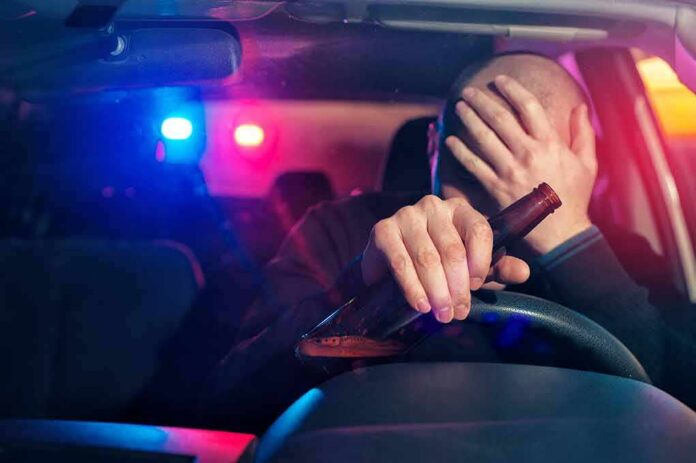
California’s governor vetoed a bill to punish drunk “drivers” using Autopilot, citing legal confusion even as automation spreads on crowded roads.
Story Highlights
- Governor Gavin Newsom vetoed AB 2502, a DUI bill covering supervised automation.
- The bill defined “drive” to include volitional movement with driver-support features on.
- Newsom warned the language could add uncertainty and hinder prosecutions.
- Lawmakers said the bill would close a DUI enforcement gap for semi-autonomous cars.
What Newsom Vetoed And Why It Matters
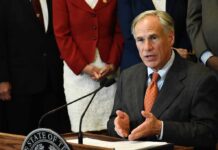
Governor Gavin Newsom vetoed Assembly Bill 2502 on September 27. The bill aimed to update California’s drunk driving law for cars that use driver-support automation. It spelled out that “drive” would include the vehicle’s volitional movement while features like lane keeping or adaptive cruise are engaged and still require human supervision. Newsom’s office posted the veto on a state update page. He argued the bill’s terms would inject uncertainty into core DUI rules and court cases.
Supporters in the Legislature said the measure would give police and prosecutors clear footing. Committee analysis described it as a clarification for semi-autonomous vehicles. The text linked “drive” to movement with Level 0 through Level 3 driver support engaged, which always needs a human ready to steer, brake, and accelerate. Backers said this would stop impaired drivers from hiding behind tech names like “Autopilot” or “self-driving,” and would close a gap in enforcement for these gray areas.
Newsom’s Rationale: Unclear Terms Could Backfire
Newsom said he backs the goal of holding impaired drivers accountable even when automation is on. He warned that the bill relied on undefined or nonstandard terms. He argued that “driver support features” could force officers, prosecutors, and judges to argue over software versions and capabilities before deciding if someone was “driving” under the law. He said that risk could make it harder, not easier, to prosecute dangerous drivers in real cases across the state.
That concern tracks a recurring legal problem with new vehicle tech. The tools change fast, while statutes move slow. Courts often hinge DUI cases on “volitional movement” or “actual physical control.” California’s analysis for AB 2502 tried to nail that down by tying “drive” to movement with supervised features at lower automation levels. The governor agreed on the safety goal but rejected the bill’s drafting approach, saying it could muddy standards instead of clarifying them for street-level enforcement and trials.
Where The Law Stands Today On Automation And DUI
Current practice in many states holds a person in the driver’s seat responsible when the car moves, even if driver-assist is on. California’s committee brief cites “volitional movement” as the trigger for DUI liability. Consumer systems like lane centering and adaptive cruise are not fully autonomous. They require attention and quick human action if something goes wrong. That is why lawmakers sought explicit language, and why many defense lawyers still warn clients that automation does not shield them from DUI charges.
CYBERCAB
Updated 2026-09-29
Sources: your Cybercab bookmark folder (437 posts). Not Cybertruck / Robotaxi.NEW TODAY
– Folder now 437 posts (20 new vs 417 on Sep 28). Source: Sep 28 Inbox sort into Cybercab (+1 extra) picked up on this daily.
– Official (Sep 22): “It’s special”… pic.twitter.com/mhfuWgLKy1— Arthur Win (@arthur_win8) September 29, 2026
The veto leaves officers relying on existing language and case law to decide who is “driving” when automation is engaged. That can work, but it can also lead to uneven rulings and longer fights in court. The Legislature framed AB 2502 as a fix for that. Newsom said the fix needs tighter terms drawn from accepted standards, so officers can write a clean report and prosecutors can prove a simple case. Both sides claim public safety as the aim. The split is over drafting that invites tech disputes.
What Comes Next For Drivers, Police, And Lawmakers
Lawmakers can redraft a bill with clearer definitions tied to recognized standards and automation levels. That could reduce court fights over software and keep focus on the human’s duty behind the wheel. Police can continue to enforce DUI under current law when the vehicle moves and a person is in the driver’s seat. Drivers should assume that any supervised system still makes them responsible. That is the plain reading of most statutes and the safest choice on busy roads.
Why Conservative Readers Should Care
Clear laws protect families and support fair policing. Vague words empower trial lawyers, delay justice, and weaken deterrence. California’s attempt to stretch “drive” to cover supervised automation spoke to a real risk on the road. But sloppy terms risk chaos in court. The right path is precise language that defends public safety and respects due process. Technology should never give cover to drunk driving, and the law must say so in simple terms that any officer, judge, or citizen can apply.