
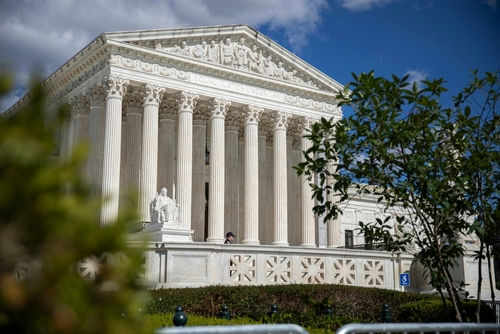
The Supreme Court’s 2013 Shelby County v. Holder decision dismantled a key federal safeguard against voter suppression, handing states unchecked power over elections and fueling a surge in restrictive laws that undermine fair voting for all Americans.
Story Highlights
- 5-4 ruling invalidated Section 4(b) coverage formula, halting Section 5 preclearance without congressional fix.
- Post-decision, over 100 restrictive voting laws enacted in former covered states, widening racial turnout gaps.
- Conservative justices cited progress since 1965; critics highlight persistent discrimination and eroded protections.
- Ongoing Court cases like Brnovich and Louisiana v. Callais threaten to further weaken remaining VRA provisions.
Decision Core and Immediate Fallout
On June 25, 2013, the U.S. Supreme Court ruled 5-4 in Shelby County v. Holder to strike down Section 4(b) of the 1965 Voting Rights Act. This formula identified states and localities with histories of discriminatory voting for Section 5 preclearance, requiring federal approval for voting law changes. Chief Justice John Roberts wrote the majority opinion, arguing changed conditions since 1965 made the formula outdated. The ruling left preclearance inoperable, shifting authority to states amid rising partisan election battles.
Historical Roots and VRA Effectiveness
The Voting Rights Act of 1965 targeted Jim Crow-era suppression like literacy tests and poll taxes in the South, using preclearance to block hundreds of discriminatory changes over decades. Congress reauthorized it multiple times, including in 2006 with bipartisan support after hearings on ongoing issues. Pre-2013, the Court deferred to Congress; Shelby marked the first major rollback of this core tool. Over 100 jurisdictions had bailed out via clean records, but critics note persistent problems in covered areas.
Stakeholders and Power Shifts
Shelby County, Alabama, challenged its coverage; the Justice Department defended the VRA. Civil rights groups like ACLU and Brennan Center decried the loss of protections. Conservative justices limited federal overreach; states like Texas quickly enacted voter ID laws. This empowered state legislatures, strained civil rights litigation, and highlighted congressional inaction on a new formula. Both sides express frustration with elite gridlock blocking voter integrity and access.
Americans across the political spectrum see federal failures here: conservatives value state sovereignty and end outdated mandates, while liberals fear minority disenfranchisement. Yet shared distrust grows as unelected judges and inert legislators prioritize power over the people’s voice, echoing founding principles of self-governance through honest elections.
Lasting Impacts and Ongoing Threats
Post-Shelby, Texas implemented blocked voter ID; former preclearance areas saw racial turnout gaps widen and partisan gerrymandering intensify. The 2021 Brnovich ruling narrowed Section 2 challenges to discriminatory laws; cases like Louisiana v. Callais signal further erosion. States passed over 100 restrictions, eroding election trust and minority representation. Economic ripples stem from skewed policies due to unequal participation; state courts inadequately fill federal voids.
Conservative victories curbed federal intrusion, aligning with limited government ideals. However, unchecked state actions risk the American Dream for millions, as barriers hinder hard-working citizens’ votes. Bipartisan consensus emerges: corrupt elites in D.C. fail everyday people, demanding reforms to restore fair, verifiable elections without deep state overreach.
Sources:
Supreme Court Strikes Down Current Coverage Formula of Voting Rights Act
The Supreme Court Hears Arguments on a Key Section of the Voting Rights Act
Effects of Shelby County v. Holder on the Voting Rights Act
Supreme Court Ready to Gut Last Vestige of Voting Rights Act
What Happens if U.S. Supreme Court Guts Voting Rights Act
About Section 5 of the Voting Rights Act
7 Years After Gutting Voting Rights