

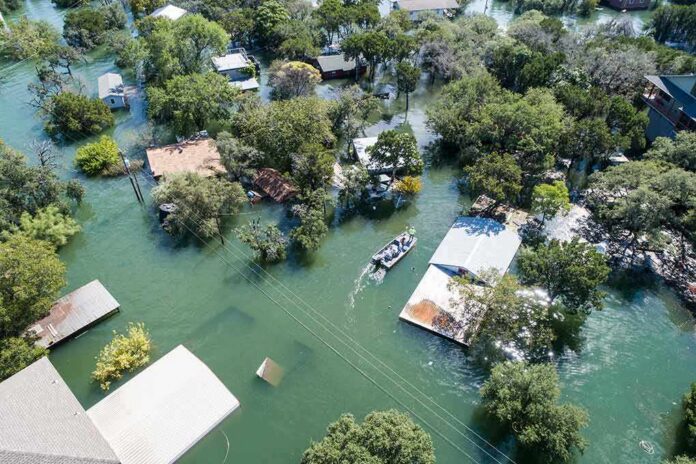
Bangkok declared all 50 districts a disaster zone after days of pounding rain swamped roads, homes, and daily life.
Story Highlights
- Bangkok’s governor declared the entire capital a disaster-affected zone after severe flooding.
- The order covers all 50 districts, expanding an earlier, smaller designation.
- Nearly 300 millimeters of rain fell in under three days, with more storms forecast.
- The declaration unlocks emergency powers for faster relief and drainage work.
Bangkok Issues Citywide Disaster Declaration After Torrential Rain
Bangkok’s governor, Chadchart Sittipunt, declared Thailand’s capital a disaster-affected zone on Saturday after torrential rain left wide areas under water and choked traffic across the city. The order came after residents woke to streets turned into rivers, stalled vehicles, and flooded homes. Weather officials warned that more thunderstorms could hit over the weekend, raising concern about already full canals and slow drainage. City crews worked to pump water and clear blockages to reopen key routes.
Officials said the decision followed almost continuous downpours over several days. Reports cited rainfall totals near 300 millimeters, a level that can overwhelm Bangkok’s drainage system and low-lying neighborhoods. Flooding disrupted daily life, delayed commutes, and forced some residents to move valuables and seek higher ground. Emergency teams deployed pumps, barriers, and sandbags to protect hospitals, transit hubs, and power infrastructure. Authorities urged drivers to avoid waterlogged corridors and follow reroutes.
All 50 Districts Covered To Speed Relief And Repairs
The city expanded its disaster designation to cover all 50 districts after an initial order that had applied only to a few hard-hit areas. The broader action gives local organizations and agencies authority to move faster on drainage, shelters, supplies, and health checks. Thailand’s Disaster Prevention and Mitigation Act from 2007 allows officials to activate emergency response tools once a disaster area is declared, which helps cut red tape and get aid to families sooner. The city asked neighborhoods to report hazards and stranded seniors.
Emergency managers focused on restoring the flow of water from clogged streets into canals and outflows, which can be slowed by tides and debris. Crews prioritized major roads that carry buses and ambulances, then turned to side streets where standing water could damage homes and small shops. Power and water utilities coordinated with city teams to protect substations and ensure safe drinking water. Residents were told to avoid wading through flood water due to hidden risks like open drains and electrical hazards.
More Rain Possible As Crews Work Around The Clock
Weather forecasts warned of additional storms through the weekend, which could add stress to full canals and saturated ground. Officials said pumping operations would continue day and night until water levels dropped across the worst zones. The governor called the flooding a risk to life and property and asked for public patience during detours and lane closures. Hospitals prepared contingency plans for patient transfers if access routes closed again, and schools monitored conditions before deciding on closures or remote learning.
Bangkok declares flood disaster as heavy rain submerges roads and homeshttps://t.co/f16m8PVgPo
Download the WION App now:https://t.co/ZdVNHhGszu
-Shared via WION App
— roger foley (@FoleyRoger77681) September 26, 2026
Bangkok’s step fits a common emergency pattern: start with a limited disaster area, then expand when the damage spreads and response needs grow. The goal is not labels, but faster action. With the full-city declaration in place, Bangkok can move pumps, fund quick repairs, open shelters, and support vulnerable people without delay. For American travelers and businesses with ties to the city, the advice is simple: check route updates, expect delays, and follow local guidance until flood levels fall.
Sources:
youtube.com, aljazeera.com, reuters.com, thethaiger.com