
A massive three-alarm blaze that destroyed a 173-year-old Brooklyn church is now formally being investigated as arson, raising urgent questions about how safe America’s houses of worship really are.
Story Snapshot
- FDNY and New York Police Department investigators are treating the South Bushwick Reformed Church fire as a possible arson attack.
- Nearly 200 firefighters battled the three-alarm blaze that gutted the 173-year-old landmark and collapsed its tilted steeple.
- Officials first said there was no sign of suspicious activity, but later reports cite a person of interest seen fleeing the church.
- The case fits a wider pattern of fires at houses of worship and recent historic church fires in New York City, fueling debate over protection of faith communities.
Historic Bushwick Church Gutted In Three-Alarm Blaze
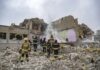
On June 19, 2026, a massive fire broke out at the South Bushwick Reformed Church at Bushwick Avenue and Himrod Street in Brooklyn, a landmarked house of worship dating back to the 1850s. Fire department officials say the call came in shortly after 1:20 p.m., and within minutes units arrived to find heavy flames pouring from the building and its iconic tilted steeple. The blaze escalated quickly, reaching a third alarm and drawing 63 units and about 192 firefighters and emergency workers to the scene.
Video from local outlets shows flames engulfing the steeple before it collapses, sending smoke high over Bushwick’s row houses and apartment buildings. Firefighters worked for hours to get the blaze under control, finally knocking down the main fire by about 3:35 p.m., according to department statements. One firefighter suffered minor injuries but declined hospital care, and officials say the church was empty at the time, sparing worshippers and staff from harm. The building itself, however, was effectively destroyed.
From “No Suspicious Activity” To Active Arson Investigation
In the hours and days right after the fire, city fire officials told reporters there was “no indication of suspicious activity at the scene,” even as they stressed that the cause of the blaze was still under investigation. Multiple outlets repeated that line, shaping an early public view that the disaster might have been accidental. Yet behind the scenes, fire marshals continued to probe the ruin, interviewing witnesses, reviewing video, and examining burn patterns to determine whether something more deliberate had happened.
That picture changed as new information emerged. A report citing Fire Department of New York sources says the Fire Department and the New York Police Department are now coordinating and treating the case as a possible arson incident. Those same sources say a person of interest was seen fleeing the church moments before the blaze broke out around 1:20 p.m., a detail that directly conflicts with early “no suspicious activity” messaging. Separately, a televised report states that the Fire Department has determined the fire was intentionally set and is formally investigating it as arson. No arrests have been announced, and investigators have not released more evidence to the public.
Community Shock, Rumors, And Gentrification Concerns
The South Bushwick Reformed Church was more than a building; it was a living symbol of faith and history in a neighborhood that has seen rapid change. Built in 1853 and recognized as one of Bushwick’s oldest historic sites, the church had survived waves of immigration, crime, and economic ups and downs. After the fire, parish leaders moved services online and vowed to rebuild, standing with local elected officials who promised to help preserve the congregation’s presence on Bushwick Avenue.
𝐅𝐎𝐔𝐑 𝐍𝐘𝐂 𝐇𝐎𝐔𝐒𝐄𝐒 𝐎𝐅 𝐖𝐎𝐑𝐒𝐇𝐈𝐏 𝐇𝐀𝐕𝐄 𝐁𝐔𝐑𝐍𝐄𝐃 𝐒𝐈𝐍𝐂𝐄 𝐌𝐀𝐌𝐃𝐀𝐍𝐈 𝐓𝐎𝐎𝐊 𝐎𝐅𝐅𝐈𝐂𝐄 — 𝐇𝐄 𝐇𝐀𝐒𝐍’𝐓 𝐒𝐀𝐈𝐃 𝐀 𝐖𝐎𝐑𝐃
Late on July 8, someone threw Molotov cocktails at two houses of worship in Queens within the same hour — 𝐈𝐠𝐥𝐞𝐬𝐢𝐚… pic.twitter.com/d9GFrFHmt9
— M.A. Rothman (@MichaelARothman) July 12, 2026
Even before arson was publicly discussed, some residents wondered if the blaze was connected to development pressure and gentrification in the area. One local voice spoke of “suspicions” that the fire might clear the way for new housing, reflecting fears that historic and religious spaces are being pushed aside. While those rumors remain unproven and officials have not linked the fire to real estate plans, the questions underline a broader worry: when land values rise, are historic churches and the families that rely on them left exposed and unprotected?
Pattern Of Attacks On Houses Of Worship Raises Stakes
The Bushwick church fire is not happening in a vacuum. The Civil Rights Division of the United States Department of Justice reports that the National Church Arson Task Force has opened investigations into 670 arsons, bombings, or attempted bombings at houses of worship since 1995, even as overall numbers have declined with better enforcement. Fire risk experts warn that, across countries and denominations, more historic churches and other worship sites are being targeted by deliberate attacks, calling it a “unique and complex challenge.”
New York City has seen several major fires at historic churches in recent years, drawing attention from critics and community members who say the pattern deserves serious review. Social media posts and local coverage point to at least a handful of large, damaging church fires since about 2023, including alleged firebombing incidents, and ask whether city leaders are doing enough to protect houses of worship. Some commentators insist each incident must be judged on its own facts, but many ordinary New Yorkers now see the Bushwick blaze as part of a troubling trend, not just a freak accident.
Transparency, Evidence, And What Comes Next
For many people of faith and for conservatives who value religious freedom, the biggest concern now is clarity about what happened and how the city will respond. Officials have confirmed only basic details: the time of the fire, the scale of the response, the total loss of the building, and the shift toward an arson investigation. They have not released surveillance footage, detailed forensic findings, or a timeline of suspected events, even as talk of a fleeing person of interest spreads in the press and online.
This quiet approach from agencies may follow standard investigative practice, but it also leaves families, congregants, and neighbors in the dark. They are grieving a landmark, wondering if someone targeted their church, and asking whether other houses of worship face similar danger. At the same time, the Bushwick congregation’s promise to rebuild sends a clear message of resilience. As fire marshals and police continue their work, many in the community want not only a culprit, if one exists, but also firmer safeguards so their faith, their history, and their freedoms are not left to burn.
Sources:
nypost.com, abc7ny.com, facebook.com, nytimes.com, instagram.com, ny1.com, brooklynpaper.com, nbcnewyork.com, youtube.com, justice.gov, fireriskheritage.net