

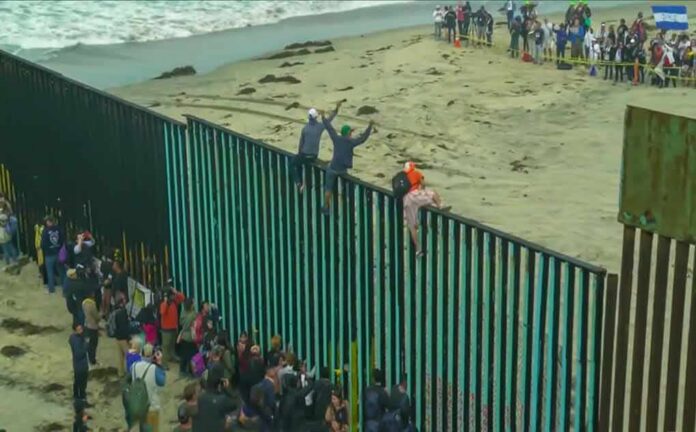
Finland backed proposals to suspend Spain from the passport-free Schengen zone after Ceuta’s leader declared a migration emergency and asked Madrid for military support.
Story Snapshot
- Ceuta’s president said more than 1,500 people swam in from Morocco in days, calling it a humanitarian and security emergency.
- Local facilities are overwhelmed, and authorities asked Spain’s government to declare a national emergency and send troops.
- Coverage across outlets reports estimates ranging from about 1,500 to 2,000 recent arrivals amid fast-changing counts.
- Ceuta has seen similar surges before, including a 2021 spike that drew military deployment and sharp border debate.
Ceuta’s Leader Declares Emergency and Warns of Collapsed Capacity
Juan Jesús Vivas, the president of Ceuta, said the city faces a “total humanitarian and social emergency” after more than 1,500 migrants, including minors, swam around the breakwaters from Morocco in recent days. He described reception centers as saturated and said there was no space left. Local television images showed people swimming near the frontier and running into town, underscoring how fast the situation developed and how limited the city’s resources are for intake and screening.
City officials escalated requests to Madrid to declare a national emergency and to deploy the army to secure the border and restore order. Local police and the Civil Guard faced sustained pressure at Tarajal beach and nearby points, as groups arrived at different hours and stressed patrols and transport. The call for troops echoes steps taken during past crises when the state used military support to stabilize key crossings and move people to processing sites more quickly.
How Many Crossed and Why the Numbers Differ
Newsrooms reported a fluid count as authorities separated those intercepted at sea, those who made landfall, minors, and transfers. Estimates ranged from about 1,500 to 2,000 recent arrivals across roughly ten days, with several outlets emphasizing “more than 1,500” and others noting continued inflows. This kind of spread is common during rapid border events, when agencies log arrivals at different stages and revise totals later based on identification, age checks, and return operations.
Public broadcasters in Spain said Ceuta is under the most intense migration pressure in five years, citing about 1,500 people crossing by swimming in two weeks as summer weather and fog reduced detection from shore. Local reports flagged that constant arrivals have overwhelmed the Temporary Immigrant Reception Center and child protection systems, spurring mass transfers and emergency shelter plans to prevent street crowding and to maintain public order near the waterfront and checkpoints.
European and Historical Context: Border Strain and Schengen Stakes
European coverage tied the surge to a familiar pattern in the western Mediterranean, where local leaders label a visible overload as an emergency while central ministries weigh legal thresholds before using exceptional powers. In 2021, Spain sent troops after record inflows, with thousands reaching Ceuta in two days. That episode sparked a broader debate on border control, migrant returns, and cooperation with Morocco that still shapes responses today when crossings spike quickly.
🇪🇸🇲🇦 Footage circulating online appears to show a Moroccan border guard opening a gate as a group of migrants moves toward the Spanish border fence in Ceuta.
This raises serious questions about what the actual plan is and how such a large-scale operation could have been…
— NewsForce (@Newsforce) July 31, 2026
Regional outlets reported that Finland supported moves to suspend Spain from the border-free Schengen area as the crisis unfolded, framing the step as a response to border control failures during the Ceuta influx. Such a suspension would be rare and politically charged, because Schengen depends on each country securing its external frontier. Pressure from partners raises the stakes for Madrid to show fast control, safeguard citizens, and meet European obligations without allowing a pull factor to grow.
Security, Humanitarian Needs, and What Comes Next
Local forces reported at least one death linked to risky swims and described nights of “great pressure,” with most arrivals being young men from Morocco and Algeria. Migrants faced exposure, currents, and injuries from rocks as they tried to reach the beach. Ceuta authorities balanced rescue and first aid with security steps, while asking for national reinforcement to separate minors, process adults, and deter new mass entries that could overwhelm hospitals, shelters, and schools in a city of limited size.
Spain’s government now faces two urgent tracks: restore border control and stabilize services in Ceuta, while coordinating with Morocco to reduce departures and manage rapid returns where the law allows. European partners will judge results by whether crossings drop, order returns, and whether reception centers regain capacity. Past crises show that early, firm control, clear communication, and visible resources at the frontier reduce repeat waves and protect both citizens and vulnerable people seeking help.
Sources:
humanevents.com, france24.com, aljazeera.com, atalayar.com, euronews.com, en.ara.cat, youtube.com, abcnews.com